
Introduction: Want to Cook Like a Pro? Here’s How to Level Up Fast
If you’re tired of scrambling around in the kitchen, trying to remember the difference between sautéing and searing, or if you want to stop burning your toast every morning, upgrading your cooking skills doesn’t need to be a long, drawn-out process. Whether you’re a beginner or someone who just wants to feel more confident in the kitchen, there are plenty of ways to up your cooking game without taking years to master. And no, you don’t need fancy knives or high-end gadgets, just some tips, practice, and a bit of kitchen savvy.
1. Master Knife Skills to Speed Up Everything
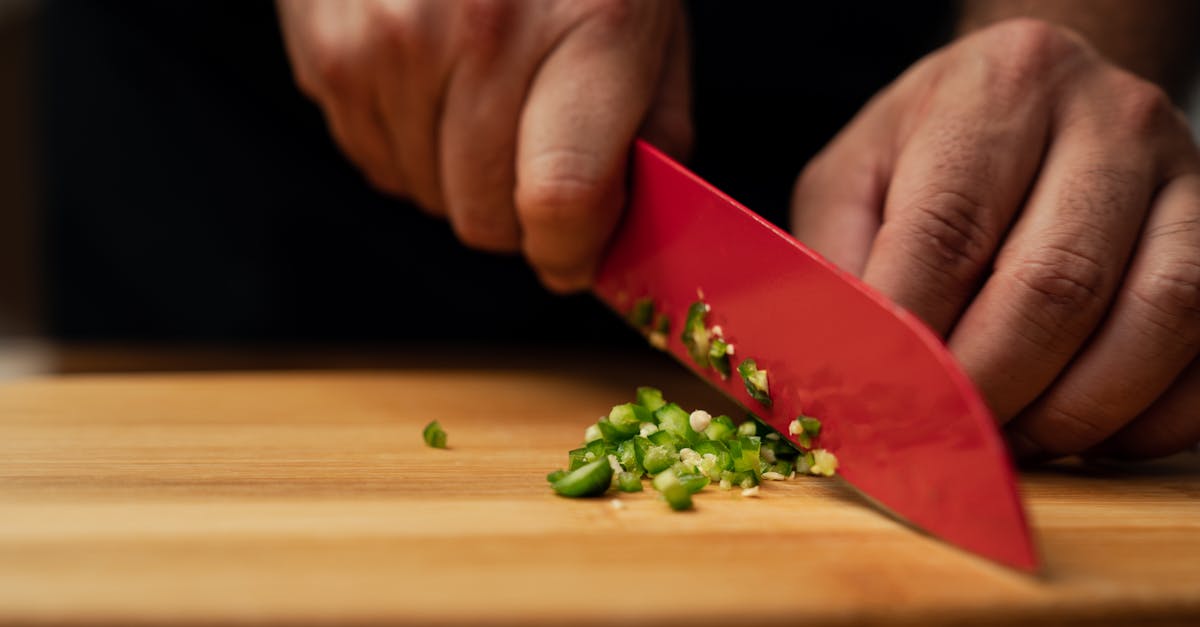
Let’s start with something basic but incredibly important: your knife skills. The moment you learn to properly chop, dice, and slice, your cooking will become 10 times faster and more efficient. Think about how much time you spend trying to hack away at an onion like it’s an ancient artifact. It’s not pretty, and it’s definitely slowing you down. So, the first step is to learn the right way to hold your knife.
Tip: Instead of gripping the knife like a hammer, hold it with your fingers wrapped around the handle and your thumb resting on the blade (just next to the handle). It sounds weird, but it gives you more control, and trust me, it’ll feel way better. You’ll be able to chop like a pro in no time. Watch some YouTube videos and practice your knife cuts on vegetables you’re comfortable with, carrots or cucumbers are a good start. Practice makes perfect!
2. Learn Basic Cooking Techniques
Cooking is just like any skill: it’s all about mastering the basics first. Sure, you could dive into complicated dishes, but if you don’t know how to properly sauté, steam, or roast, you’re going to struggle. Get comfortable with the core techniques first, then build on them.
Here are a few that should be in your cooking arsenal:
- Sautéing: This technique is your go-to for cooking veggies or meats quickly over medium-high heat with just a little bit of oil or butter. Perfect for stir-fries or a simple veggie side dish.
- Roasting: Roasting makes everything better, especially vegetables. Toss them with some olive oil, salt, and pepper, and roast at 400°F until they’re caramelized. It’s easy and flavorful.
- Boiling: Yes, even boiling is a skill! Whether you’re making pasta or preparing eggs, knowing how to properly time your boil can make or break your dish.
Tip: Once you feel comfortable with these, try building upon them. Try roasting a chicken, or sautéing a protein with some wine and fresh herbs. Practice until it feels second nature.
3. Taste as You Go (Seriously)
Here’s a mistake I used to make: I’d season my food all at once and hope for the best. Big mistake. Seasoning is an ongoing process. Taste as you go, and adjust the flavors based on how things are developing. This is one of the fastest ways to elevate your cooking skills. If you add salt too early or too much at once, you’re in trouble. But if you taste a sauce halfway through and decide it needs a bit more acidity or sweetness, you’re on your way to restaurant-level flavor.
Tip: Have a little spoon or fork handy and taste as you go. Make sure you’re balancing salt, acidity (vinegar or citrus), and sweetness, and don’t forget about the impact of fresh herbs or spices.
4. Invest in a Few Key Tools
You don’t need to fill your kitchen with a dozen high-end gadgets, but there are a few tools that will make your cooking faster, more enjoyable, and give you better results. Here’s my short list of essentials:
- Sharp Knives: A dull knife is a dangerous knife. You don’t need an expensive knife set, but a high-quality chef’s knife and a paring knife will cover almost everything.
- Cast Iron Skillet: This is a game-changer. From searing steak to baking cornbread, you’ll use it for everything.
- Instant-Read Thermometer: This will save you from overcooked meat (and the stress of guessing). You’ll know exactly when your chicken is cooked through or your steak is at the perfect level of doneness.
- Good Cutting Board: Invest in a sturdy, easy-to-clean cutting board. This makes prep easier and safer.
Tip: Don’t fall for the “as seen on TV” gadgets. A few solid tools are better than a collection of single-purpose items you’ll rarely use.
5. Try New Recipes, but Start Simple
If you want to improve quickly, try new recipes, but don’t go for the hardest thing on the menu. Start with something manageable, and challenge yourself a little. I get it, there’s a certain thrill in trying to make homemade pasta or soufflé, but start small. Try making a flavorful soup, a stir-fry with fresh ingredients, or even a simple curry. You’ll learn a lot about flavors and timing, and your confidence will soar.
Tip: Look for recipes that introduce one new technique at a time, like roasting garlic or deglazing a pan. It’s easier to build skills slowly than to tackle an ambitious dish right away.
6. Don’t Be Afraid to Fail
Cooking is all about trial and error. I can’t tell you how many times I’ve ended up with burnt garlic, overcooked steaks, or poorly executed sauces. But each mistake is an opportunity to learn. Don’t get discouraged if a dish doesn’t turn out the way you wanted. You’ll get better every time. The key is to analyze what went wrong, figure out how to fix it, and try again. One of the quickest ways to upgrade your skills is to embrace the mistakes as part of the learning process.
Tip: If a dish doesn’t work out, take notes on what went wrong and what you’d do differently. This reflection will help you make better decisions next time.
7. Cook More Often
The most important factor in improving your cooking skills? Practice. The more you cook, the more you’ll naturally improve. Cook your meals from scratch as much as possible, even if it’s just a basic omelette for breakfast or a quick salad for lunch. The more you’re in the kitchen, the quicker you’ll learn how to handle heat, timing, and different ingredients.
Tip: Set a goal to cook at least one meal a day. As you get more comfortable, increase the complexity of your dishes. Eventually, cooking will become second nature.
Conclusion: The Kitchen Is Your Playground
Upgrading your cooking skills doesn’t need to be intimidating. By focusing on the basics, practicing regularly, and being open to making mistakes, you’ll start feeling more confident in the kitchen before you know it. Remember, cooking is a journey, and every meal is a step forward. Whether you’re cooking for yourself or hosting a dinner party, these small improvements will make a big difference in your overall cooking experience.
So go ahead, grab that knife, season to taste, and keep experimenting. The kitchen is your playground, and the more you play, the better you’ll get.