
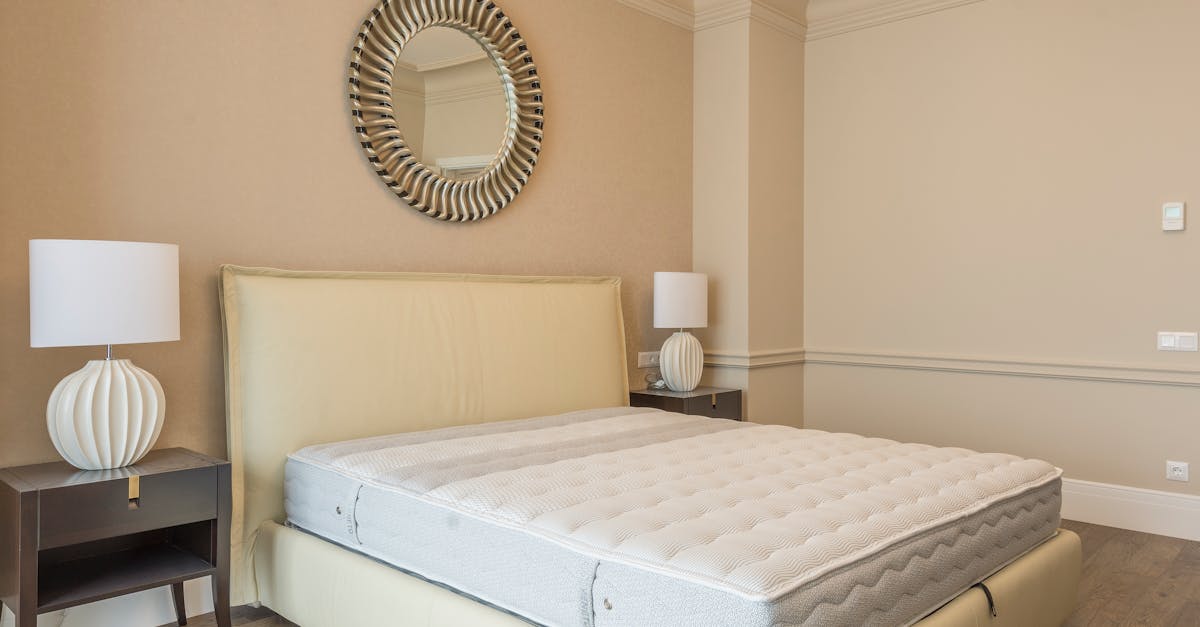
Introduction: Why Your Sleep Environment Matters
How well do you sleep at night? If your answer is anything less than ‘like a baby,’ it’s time to look at your sleep environment. We’ve all been there, tossing and turning, hoping for just a few hours of quality sleep, only to wake up feeling groggy and unrested. But here’s the thing: your sleep environment plays a massive role in how well you sleep. From the temperature to the lighting and even the quality of your bed, small changes can make a big difference. So, if you’re ready to wake up feeling refreshed, it might be time to upgrade your sleep space.
1. Invest in a Comfortable Mattress and Pillows
It seems obvious, but you’d be surprised how many people overlook the importance of a good mattress. If you’re sleeping on an old, worn-out mattress, it’s no wonder you’re waking up sore. A mattress should support your body properly, so you’re aligned in a way that reduces strain on your muscles and joints. Whether you prefer memory foam, innerspring, or hybrid models, make sure your mattress suits your needs. Testing it out in the store for just a few minutes isn’t enough, try it for a few nights before committing. The same goes for pillows. A pillow that’s too high or too flat can throw off your neck alignment, leading to neck pain. If you’re a side sleeper, a firmer pillow might be better, while back sleepers usually need something a bit softer.
Real-World Example:
Take Sarah, for instance. She was constantly waking up with back pain, thinking it was just stress or bad posture. Turns out, her mattress was way past its prime. After upgrading to a memory foam mattress, she noticed a huge difference. Her back pain disappeared, and she started waking up feeling more rested.
2. Control the Lighting
Lighting is another huge factor in your sleep environment. Imagine trying to fall asleep with a bright streetlamp shining through your window. Not ideal, right? Too much light exposure can mess with your body’s natural circadian rhythm, making it harder to fall asleep and wake up. The solution? Consider blackout curtains or blinds for your bedroom. These can help keep external light from interfering with your sleep. But it’s not just about blocking out light at night, it’s also about creating the right atmosphere before bed.
If you use your phone or watch TV before bed, try switching to dimmer, warmer lighting about an hour before you go to sleep. Blue light from screens can interfere with your melatonin levels, making it harder to wind down. Some people also benefit from using a red or orange night light, which doesn’t disrupt melatonin production.
Pro Tip:
Try using a sleep mask if you can’t install blackout curtains. It’s a simple but effective way to block out light and make your sleep environment more conducive to rest.
3. Adjust the Temperature
The temperature of your room plays a surprising role in how well you sleep. Research shows that the ideal sleep temperature is around 65°F (18°C). When it’s too hot or too cold, your body struggles to reach the optimal sleep stage. So, if you’re waking up drenched in sweat or shivering, it might be time to rethink your thermostat settings.
If you can’t control the temperature of your bedroom, consider using fans, space heaters, or even investing in cooling pillows or mattress pads. Cooling products like these can help regulate your body temperature throughout the night, making it easier to fall asleep and stay asleep.
Real-World Example:
John used to wake up multiple times throughout the night, either too hot or too cold. He decided to buy a smart thermostat for his bedroom, setting it to cool down before bed and warm up around sunrise. He noticed a big improvement in his sleep quality and now wakes up feeling more refreshed.
4. Minimize Noise Distractions
Noise can be one of the biggest disruptors of a good night’s sleep. Whether it’s your partner snoring, traffic outside, or a noisy neighbor, constant noise keeps you from entering deep, restorative sleep. The solution? Try using earplugs, a white noise machine, or a fan to mask disruptive sounds. White noise can be surprisingly effective at drowning out background noise, helping you stay asleep longer.
If you’re someone who’s sensitive to noise, consider rearranging your bedroom. Move your bed away from walls that are shared with noisy neighbors or street-facing windows. Soundproofing with thick curtains, rugs, or acoustic panels can also help reduce noise.
Tip for Light Sleepers:
If you’re easily disturbed by noise, consider a pair of high-quality earplugs. They can make a world of difference in blocking out background sounds, allowing you to stay in that deep sleep state.
5. Declutter Your Bedroom
Your environment directly affects your mental state, and a cluttered room can contribute to stress and anxiety. If your bedroom is filled with piles of clothes, random items, and other clutter, it might be time for a clean-up. Keeping your room tidy and organized helps create a calm, peaceful space that’s more conducive to sleep. Try to keep only essential items in the room, and make sure your bed is the main focus. You might be surprised at how much better you sleep when you’re not surrounded by distractions.
Quick Tip:
If you struggle with clutter, spend 10 minutes each day tidying up. Simple tasks like making your bed in the morning and putting things away can help maintain a cleaner, more restful environment.
6. Create a Relaxing Bedtime Routine
Sometimes, it’s not just the physical environment that affects sleep, it’s your mindset. If you’re constantly on your phone or stressing over work before bed, your mind can be too active to fall asleep. Instead, create a bedtime routine that promotes relaxation. This could include activities like reading, taking a warm bath, practicing meditation, or listening to calming music.
For example, Emma started a 10-minute meditation session before bed to help clear her mind. She found that it not only helped her fall asleep faster but also improved the quality of her sleep. Setting aside time to unwind before sleep is a simple but effective way to prepare your mind and body for rest.
Consider Adding These Relaxing Elements:
- Essential oils, such as lavender, which have calming effects.
- Calming sounds or music, such as nature sounds or classical music.
- A warm cup of herbal tea (chamomile is especially known for its sleep-inducing properties).
Conclusion: Make Sleep a Priority
Upgrading your sleep environment doesn’t have to be an expensive or complicated project. Sometimes, all it takes are a few small changes to create a space where you can truly unwind and get the rest you need. Start by evaluating your mattress and pillows, then move on to adjusting the temperature, lighting, and noise levels. Keep your bedroom clean and clutter-free, and don’t forget the importance of a relaxing bedtime routine. With these simple adjustments, you’ll be well on your way to sleeping better and waking up refreshed. Sweet dreams!