
Introduction
Working from home has its perks: no rush-hour commutes, the comfort of your own space, and the ability to snack whenever you want. But let’s be honest, it’s not all sunshine and rainbows. Without the structure of an office, productivity can take a dive. One minute you’re answering emails, the next you’re reorganizing your bookshelf or scrolling through your social media feed. Sound familiar? If so, you’re not alone.
So, how do you keep your focus in check and actually get things done? The key lies in creating habits and environments that help you stay productive, even when your bed is just a few feet away. Let’s dive into some practical tips that can help you boost productivity while working from home.
Create a Dedicated Workspace
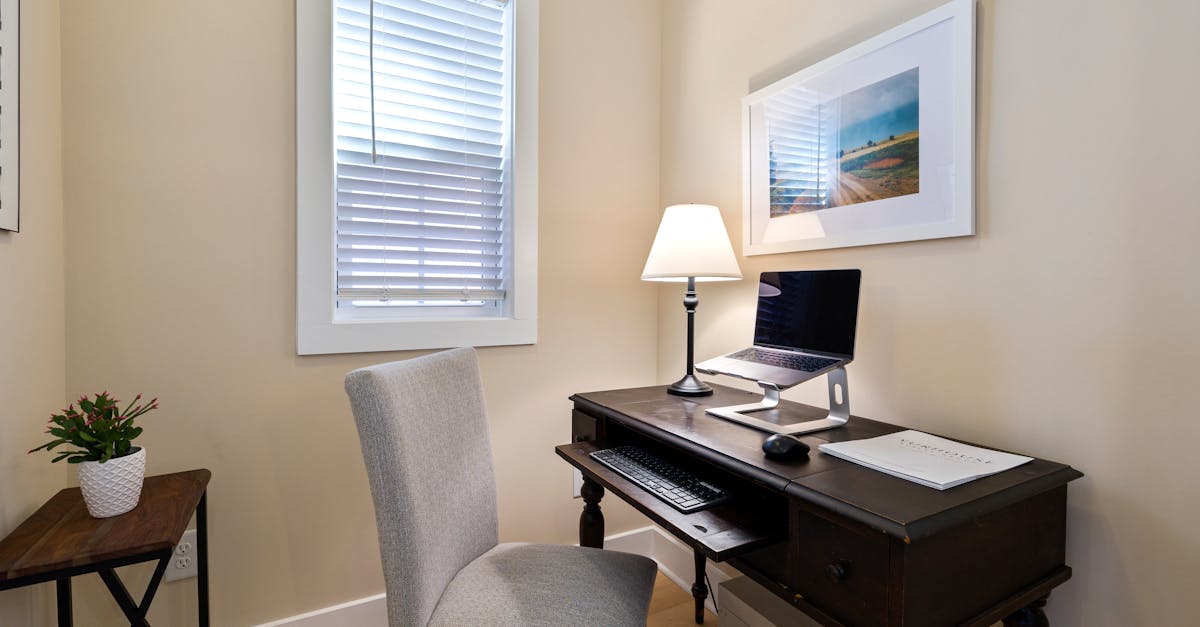
First things first: you need to separate work from home life. A dedicated workspace is not just about having a desk, it’s about creating a zone where your brain knows it’s time to be productive. This could be a spare room, a corner of your living room, or even just a specific chair that’s only used for work. The idea is to establish a mental boundary between relaxation and work.
For example, Sarah, a marketing consultant I know, used to work from her couch in the evenings after putting her kids to bed. While it felt comfortable at first, she quickly realized that her productivity dropped. Emails piled up, and deadlines passed. It wasn’t until she set up a proper workspace in a quiet corner of her bedroom that she noticed a significant boost in her productivity. Her brain now associates that corner with focus, and she gets more done in less time.
Keep Your Workspace Tidy
Clutter is a productivity killer. Studies have shown that a messy desk leads to a messy mind. So, keep your workspace clean and organized. It’s not about having an Instagram-worthy setup, just make sure everything you need is easily accessible, and distractions are minimized. If you can’t control everything in your home, at least control your workspace. When you sit down to work, there should be nothing around you that doesn’t serve a purpose.
Stick to a Routine
In an office, there’s a natural routine: wake up, get dressed, commute, start work, take breaks, finish up, go home. When you’re working from home, this structure can easily fall apart. But without routine, it’s easy to get lost in Netflix shows or napping on the couch. You need to create a schedule that works for you, and stick to it.
For instance, Mark, a friend of mine who works in software development, found that starting his day with a cup of coffee and a 10-minute meditation session helped him ease into the workday. He also sets specific hours for work and takes a half-hour lunch break at the same time every day. This not only keeps him on track, but it also helps his mind compartmentalize the workday. When it’s time to work, he works. When it’s time to rest, he rests.
Use Time Blocks
Time blocking is a technique that can help you focus on one task at a time, reducing the temptation to switch between multiple tasks (or tabs) in a disorganized way. Instead of saying, “I’ll work on this project until it’s done,” block out specific time slots for each task. For example, you might set aside 9 AM to 11 AM for emails, 11 AM to 1 PM for project work, and so on.
By scheduling your day like this, you reduce the chance of procrastination and increase your ability to focus on the task at hand. It also prevents work from bleeding into your personal time, which is key when you’re working from home.
Minimize Distractions
Distractions are the number one enemy of home-based productivity. When you’re at home, the distractions are endless: laundry, dishes, kids, pets, a pile of unopened mail, and of course, the tempting pull of your phone.
Try using apps like Forest or Focus@Will to limit distractions. These apps help you stay off your phone or set up productivity playlists that help you concentrate. You could also put your phone in another room or enable “Do Not Disturb” mode during work hours to cut down on constant notifications. Some people even use the Pomodoro technique, working for 25 minutes straight followed by a 5-minute break. It’s a simple trick, but it really works.
Set Clear Boundaries
One of the biggest struggles when working from home is the lack of boundaries. Family members or roommates might not understand that you’re “working” even though you’re at home. Setting clear boundaries with those around you is crucial.
For example, Jenna, who works as a freelance writer, made it clear to her roommates that her work hours are sacred. They know that unless it’s an emergency, they shouldn’t disturb her while she’s working. At the same time, she respects their space and doesn’t expect them to tiptoe around her. Clear boundaries lead to mutual respect and fewer interruptions during your work hours.
Take Breaks and Move Around
It’s easy to fall into the trap of sitting at your desk for hours, but research shows that taking regular breaks is essential for maintaining focus and productivity. The human brain wasn’t designed to work nonstop for long periods of time. Taking short breaks can actually help you work better and faster.
Every 90 minutes or so, get up, stretch, and move around. Take a short walk, do a few jumping jacks, or even grab a healthy snack. You’ll be surprised at how much more focused and productive you’ll feel after stepping away for a bit. Plus, regular movement can help alleviate the physical strain of sitting all day, especially if you don’t have an ergonomic setup.
Experiment with Different Environments
While having a dedicated workspace is essential, sometimes a change of scenery can be just what you need to spark creativity or break through a productivity block. If you’re getting too comfortable in your usual spot, try working from a different room, or even outside if the weather’s nice. Some people even thrive in coffee shops or co-working spaces. Experiment with your environment to see what works best for you.
Don’t Forget to Set Goals
Goals are essential for maintaining focus. Without clear objectives, it’s easy to wander aimlessly throughout the day. Every morning, take a few minutes to outline what you want to accomplish that day. Break large tasks into smaller, manageable steps and prioritize them. Having a list of goals will help keep you on track and give you a sense of accomplishment when you check things off.
Be Kind to Yourself
Finally, remember that working from home is a new skill, and it takes time to get right. Some days will be better than others, and that’s okay. If you find yourself distracted or unproductive, don’t beat yourself up. Acknowledge it, learn from it, and move on. Flexibility and self-compassion are key to maintaining long-term productivity while working from home.
Conclusion
Working from home doesn’t have to mean a lack of productivity. By setting up the right environment, sticking to a routine, and minimizing distractions, you can create a workflow that suits your lifestyle and allows you to stay focused. Remember, it’s all about finding the right balance between structure and flexibility. The key is to experiment, learn, and adapt. So go ahead, start today. Your productivity (and maybe even your sanity) will thank you!