
Introduction
Have you ever caught yourself slouching on the couch, or hunched over your desk after hours of Zoom meetings? You’re not alone. With so many of us working from home these days, poor posture has become a common problem. But here’s the good news: you don’t need to join a yoga class or spend hours at the gym to fix it. There are simple, effective ways to improve your posture right at home. In this article, we’ll explore practical tips that’ll help you stand taller, feel better, and even avoid the dreaded back pain that comes with bad posture.
1. Adjust Your Work Environment
Let’s face it: we’ve all been there. You set up your laptop in bed or on the couch, telling yourself it’ll be “just for a few minutes.” Fast-forward two hours, and you’ve got a stiff neck and a back that feels like it’s been through a wrestling match. The first step to better posture at home is creating a comfortable, ergonomically-friendly workspace.
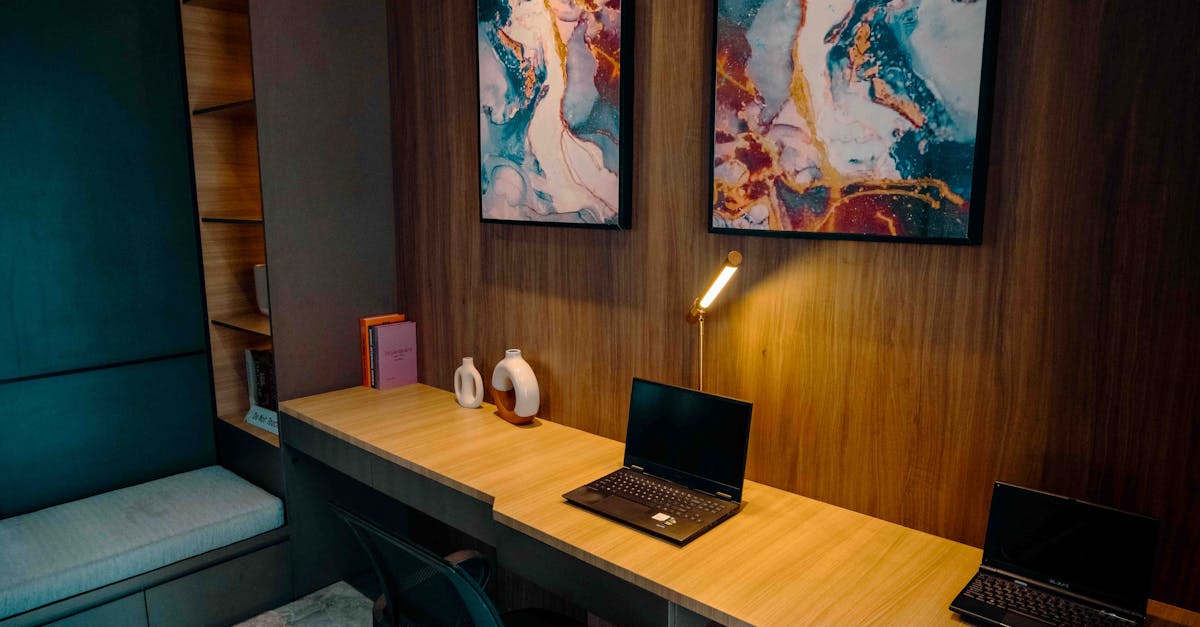
If you’re working at a desk, make sure your chair supports your lower back. Sit all the way back in the chair so that your feet rest flat on the floor, and your knees are at a 90-degree angle. Your desk should be at elbow height, and your screen should be positioned so that you’re looking straight ahead, not down. If you don’t have a proper office chair, try using cushions or rolled-up towels to support your back.
If you’re working from the couch or bed, try switching it up. Use a lap desk, or better yet, try standing for part of the day. Standing desks are becoming more popular because they keep your body more aligned and reduce the pressure on your spine.
2. Take Breaks and Move Around
Sitting in one position for hours is a posture killer. The longer you stay seated, the more pressure you’re putting on your spine. But the solution isn’t just getting up every once in a while; it’s about incorporating movement throughout your day.
Set a timer to remind yourself to stand up every 30 minutes. Take a quick walk around the house, do a few stretches, or even try a short burst of jumping jacks if you’re feeling energetic. Movement encourages blood flow, reduces stiffness, and gives your muscles a chance to reset.
For example, if you’re in a virtual meeting, try standing up and pacing while you talk. Not only will your posture improve, but you might also sound more engaged. And let’s be honest, who doesn’t feel more powerful when they’re standing up straight?
3. Strengthen Your Core
Core strength is directly linked to good posture. When your core muscles are weak, it’s harder to maintain the correct alignment, leading to slouching and discomfort. The great thing is that strengthening your core doesn’t require a gym membership or a ton of equipment.
You can do simple exercises right in your living room. Planks, bridges, and even seated leg lifts are great for building a stronger core. Spend just 5–10 minutes a day on these exercises, and you’ll start to notice a difference in your posture over time. A strong core will help you stand taller, sit straighter, and avoid that dreaded lower back pain.
4. Mind Your Screen Time
We live in a digital world, and let’s face it, we’re all glued to screens for hours every day. Whether it’s your phone, laptop, or tablet, too much screen time can wreak havoc on your posture. Have you ever caught yourself staring down at your phone with your neck craned forward? That’s a textbook example of “tech neck,” a condition caused by constantly looking down at devices.
To avoid this, make sure you’re holding your phone or tablet at eye level whenever possible. If you’re working on a computer, try raising your monitor or laptop with a stand or a stack of books. This ensures you’re looking straight ahead instead of leaning forward. Your neck and spine will thank you.
5. Focus on Posture-Friendly Habits
Improving your posture doesn’t just happen when you’re sitting at your desk or working on the couch. It’s about making small adjustments throughout the day that add up to better posture overall.
- Stand tall: When you’re standing, imagine there’s a string attached to the top of your head, pulling you upward. Keep your shoulders back and your weight evenly distributed between your feet.
- Sit up straight: Whether you’re at the kitchen table or on the couch, try to sit with your back straight and your shoulders relaxed. Avoid slumping or leaning forward.
- Sleep smart: Your sleep position matters too. If you sleep on your side, make sure your pillow supports your neck properly. If you’re a back sleeper, try placing a pillow under your knees to keep your spine in alignment.
6. Stretch Regularly
Stretching is another simple but effective way to improve your posture. Tight muscles, especially in the chest and hips, can pull your body out of alignment. Regular stretching helps lengthen muscles, increase flexibility, and relieve tension.
Try incorporating a few stretches into your daily routine. A simple chest opener can help reverse the rounded shoulders we get from sitting hunched over a computer. Hip flexor stretches can also relieve tension in the lower back, which is often a result of sitting for long periods.
If you’re unsure where to start, there are tons of online videos that guide you through stretches designed to improve posture and flexibility. It only takes a few minutes, and the benefits can be huge.
Conclusion
Improving your posture at home doesn’t have to be a complicated process. By adjusting your environment, taking regular breaks, strengthening your core, being mindful of your screen time, and incorporating small posture-friendly habits, you can make a big difference in how your body feels day to day. Start with just one or two of these changes, and see how they work for you. Before long, you’ll be standing taller, moving with more ease, and feeling better overall.
So, the next time you catch yourself slouching or feeling stiff, remember: a little adjustment goes a long way. Your body will thank you!