
Introduction: Getting More Veggies on Your Plate
Let’s be honest, how many of us really eat enough vegetables? Between busy work schedules, quick meals, and maybe even some picky eaters in the house, vegetables often end up as an afterthought. If you’ve been wondering how to add more greens to your plate without turning your meals into a salad fest, don’t worry. There are plenty of easy, tasty, and surprisingly simple ways to sneak more veggies into your diet. You don’t have to start cooking elaborate dishes or spend hours in the kitchen to eat healthier. Sometimes, it’s the little changes that make the biggest difference.
1. Sneak Veggies Into Your Breakfast
Breakfast might seem like the least likely time to load up on veggies, but there are more opportunities than you think. For example, if you love smoothies, why not toss a handful of spinach or kale in there? Don’t worry, the sweetness of your fruit will mask any strong veggie taste. You can also add some zucchini or carrot to your morning oatmeal. It sounds strange, but trust me, when grated, these veggies blend right in, and you’ll barely notice them. For savory breakfast lovers, try mixing in chopped peppers, tomatoes, or onions into your scrambled eggs or omelets. The trick is to focus on the flavor combinations and make the vegetables work with what you already enjoy.
Quick Tip:
If you’re not keen on spinach in smoothies, try frozen cauliflower. It has a neutral flavor and blends seamlessly into fruit smoothies.
2. Incorporate Veggies Into Your Snacks
Snacking is another opportunity to sneak in some vegetables. When you’re reaching for that bag of chips or a handful of cookies, try dipping some crunchy carrot sticks, cucumber slices, or bell pepper strips into hummus instead. It’s a satisfying and crunchy snack that doesn’t make you feel deprived. You can even make your own veggie chips in the oven, just thinly slice sweet potatoes, zucchini, or beets, toss them with a little olive oil and seasoning, and bake until crispy. Not only will you get a veggie boost, but you’ll also satisfy your craving for something crunchy without the guilt.
Pro Tip:
Roast cauliflower florets with olive oil and your favorite spices, and you’ve got a veggie snack that rivals popcorn in the crunch department.
3. Veggie-Boosted Sauces and Soups
When you’re making pasta or pizza, consider blending vegetables into your sauces. For example, you can add finely chopped or pureed carrots, zucchini, or tomatoes to your marinara sauce. The veggies blend right in and give the sauce an extra boost of nutrients, and no one will be the wiser. You can do the same for soups and stews. A classic example is adding blended cauliflower or butternut squash to a creamy soup base. It will make the soup velvety smooth and add a hefty dose of fiber and vitamins. In fact, many cream-based soups can be made creamy by blending in cooked cauliflower, zucchini, or even potatoes.
Quick Recipe Idea:
Try a creamy tomato soup by blending cooked carrots into your tomato base. The sweetness from the carrots balances out the acidity of the tomatoes and creates a rich, comforting texture.
4. Veggies in Your Pasta and Pizza
If you’re a pasta lover, there are countless ways to work in more vegetables without compromising flavor. Zucchini noodles (also known as “zoodles”) are a popular choice as a low-carb, veggie alternative to regular pasta. Even if you’re not ditching traditional pasta, consider mixing half regular pasta with zucchini or squash noodles for a more balanced dish. When making pizza, swap out some of the cheese or meat toppings with veggies like spinach, mushrooms, bell peppers, or onions. The beauty of pizza is that you can get creative and top it with almost anything, so why not load it up with a variety of veggies?
Try This:
For a fun twist on pizza night, make a cauliflower crust and pile on your favorite veggies like arugula, tomatoes, olives, and roasted garlic.
5. Substitute Veggies for Traditional Carbs
One of the easiest ways to add more vegetables is by swapping out some of your traditional carb-heavy ingredients with veggie alternatives. For example, cauliflower rice is an excellent substitute for white rice and has the same texture when cooked. You can also use spaghetti squash or zucchini noodles instead of pasta. Instead of mashed potatoes, try mashed cauliflower. It’s surprisingly similar in texture and can be flavored just like regular mashed potatoes. Plus, these swaps are lower in calories and packed with more nutrients, so you’ll feel fuller and more energized throughout the day.
Bonus Swap:
Try using lettuce leaves instead of tortillas for wraps. It’s a great way to cut carbs while still enjoying your favorite wraps or sandwiches.
6. Try Veggie-Infused Drinks
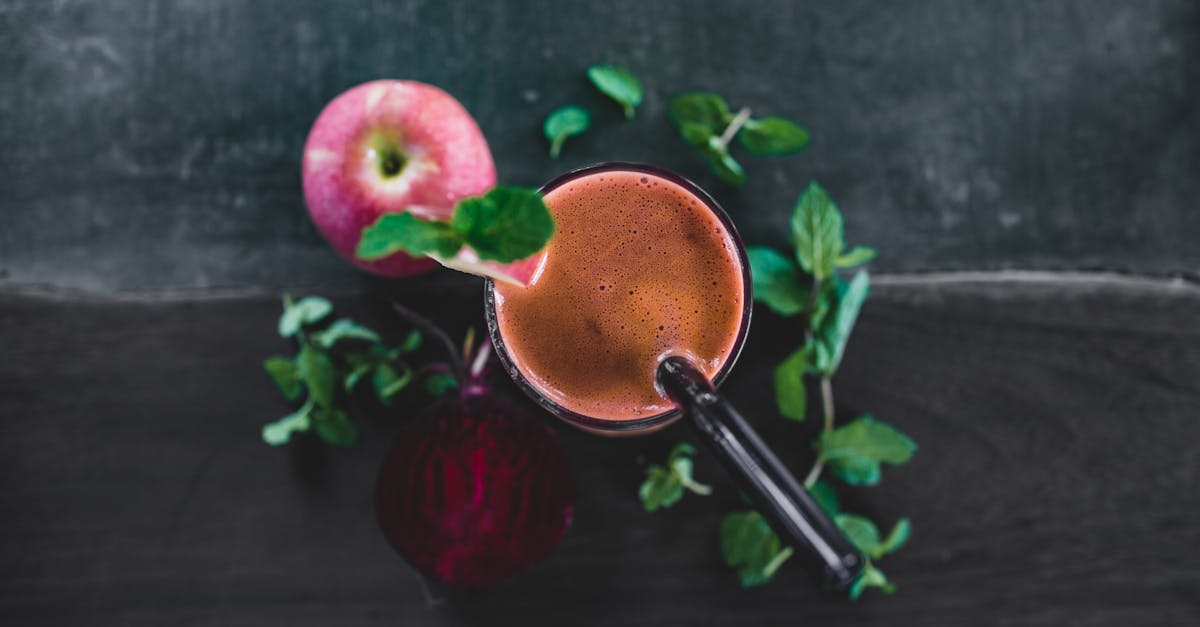
Yes, vegetables can even sneak into your beverages. While smoothies are an obvious choice, you can also try incorporating veggies into fresh juices. Carrot, beet, and cucumber juices are naturally sweet and refreshing. If you’re into spicy drinks, try adding some ginger and a splash of lime to your vegetable juice for an extra kick. These veggie-based drinks give you a quick boost of vitamins and minerals, and they make a refreshing alternative to sugary drinks or even regular fruit juice.
Veggie-Drink Hack:
If you’re hesitant about drinking veggie juice, start small. A splash of carrot juice mixed with orange or apple juice will give you all the flavor without overwhelming your taste buds.
Conclusion: Small Changes, Big Impact
Adding more vegetables to your meals doesn’t have to be a massive overhaul of your diet. In fact, it’s often the small changes that have the most lasting impact. By incorporating veggies into your breakfast, snacks, sauces, and even your beverages, you’ll gradually increase your vegetable intake without much effort. Remember, it’s not about eating a salad with every meal, it’s about finding creative and easy ways to work more veggies into your daily routine. So, next time you’re in the kitchen, think about what simple swaps you can make to boost your veggie intake. Your body will thank you for it!