
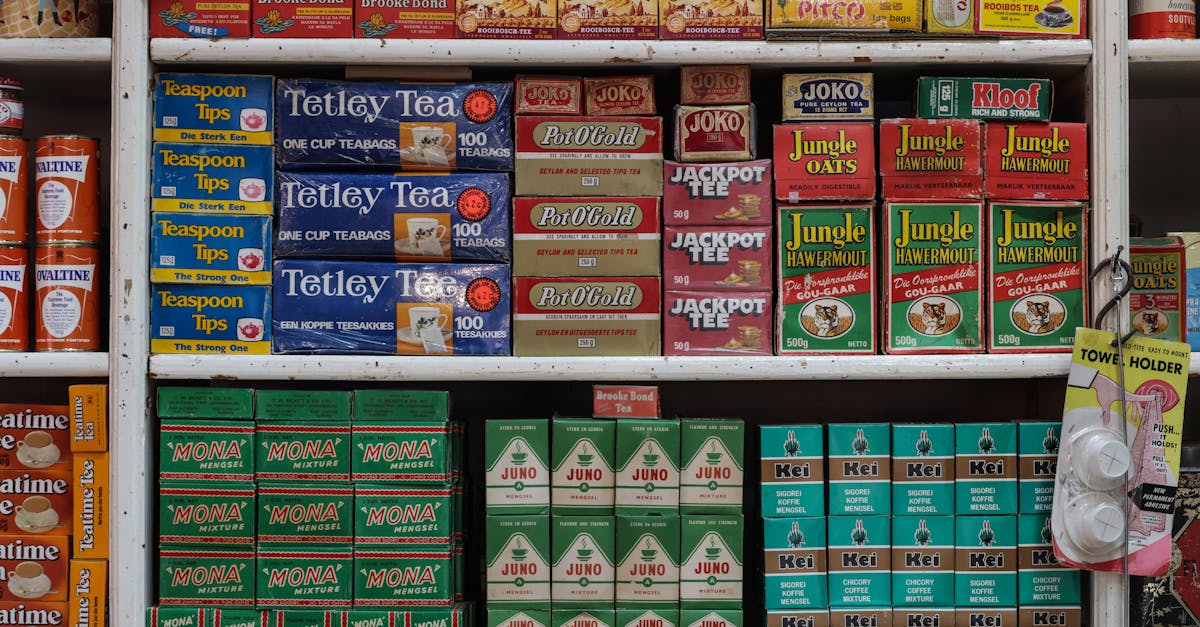
Introduction: Saving on Groceries Doesn’t Have to Be Hard
We all know how expensive groceries can get. One minute you’re picking up a few items, and the next, you’re staring at the checkout total wondering how you got there. Whether you’re feeding a family or just trying to keep your pantry stocked, it can feel like the cost of food is constantly rising. But the truth is, there are plenty of simple, even fun, ways to save money on groceries without sacrificing the quality of your meals. So, let’s jump in and look at some tried-and-true strategies that can help you trim your grocery bill without feeling like you’re cutting corners.
1. Plan Your Meals and Make a List
It sounds basic, but meal planning is one of the most effective ways to save money. When you don’t have a plan, you’re more likely to buy random items that seem good at the time but end up going unused. Ever bought that fancy ingredient you saw on a food blog and then forgotten about it in the back of your pantry? Yeah, me too.
Take some time at the beginning of each week to map out your meals. It doesn’t have to be elaborate; even just deciding on dinners can save a lot of money. Once you have your meals planned, create a shopping list based on the ingredients you need. Stick to the list, resist the temptation to grab extra snacks, or that chocolate bar calling your name from the checkout aisle!
Tip: Use a Meal Planning App
If you’re not the type to sit down with pen and paper, try a meal-planning app. These apps allow you to plan meals, create shopping lists, and even find recipes based on what you already have in your pantry. This can help reduce impulse buys and ensure you’re only getting what you need.
2. Shop with Sales and Coupons in Mind
Let’s face it: sales and coupons are pretty much an essential part of any savvy shopper’s toolkit. But you don’t need to spend hours clipping coupons or scanning for deals online (unless that’s your thing, of course). A little bit of strategy can go a long way.
First, check out the weekly ads for your local grocery stores. Most stores put their best deals on sale items, and those discounts can help you stock up on essentials like rice, pasta, and canned goods. Also, don’t overlook the “buy one, get one” offers. If you’re able to plan meals around these sales, you can save big.
Another great trick is using digital coupons or grocery store apps. Many stores now offer exclusive deals through their apps, so it’s worth downloading them. You can often find instant discounts on products you’d be buying anyway.
Tip: Loyalty Programs
If your store has a loyalty program, sign up for it! Many stores offer points, discounts, or special promotions for members. If you regularly shop at the same store, this can be a great way to save without any extra effort.
3. Embrace Generic Brands
Brand loyalty is real, but sometimes it’s better to ditch the familiar labels and try store-brand products. Grocery stores often have their own lines of products, which are typically priced lower than the big-name brands, but the quality is just as good.
It’s easy to assume that generic brands won’t taste as good or be as effective, but that’s often not the case. A lot of times, the same company that makes the branded product is the one making the generic version. The only difference is the label.
For example, have you ever tried the store-brand pasta sauce next to the famous brand? You might be surprised to find it’s just as flavorful and a fraction of the cost.
Tip: Start Small
If you’re nervous about switching to generic brands, start with a few items. Maybe try swapping out canned goods or cleaning supplies first. As you get more comfortable with the quality, you’ll likely find that switching more items to generic is an easy way to save without feeling like you’re sacrificing anything.
4. Buy in Bulk, But Only What You’ll Use
Buying in bulk can be a great way to save money, especially for non-perishable items like rice, pasta, flour, or oats. The larger package usually costs less per unit, which can lead to big savings in the long run. However, this strategy only works if you actually use the items before they spoil.
If you have the storage space and can use the product up before it goes bad, bulk buying can be a game-changer. But if you’re buying things like fresh produce in bulk, you might end up wasting more food than you save. For example, that giant bag of spinach might sound like a good deal, but if you don’t use it all in time, it’s just money down the drain.
Tip: Share Bulk Purchases with Friends
If you don’t think you’ll use everything in bulk quantities, consider teaming up with a friend or family member to split the cost. You get the savings without worrying about waste.
5. Shop Seasonal and Local
Seasonal fruits and vegetables are typically cheaper than out-of-season options. Not only are they more abundant, but they also tend to be fresher and more flavorful. Buying local produce can also save you money, as local farmers don’t have to worry about shipping costs, which means lower prices for you.
Visit your local farmers’ markets or check out local grocery stores for in-season produce. If you’re not sure what’s in season, a quick search online can help you find out what fruits and vegetables are typically cheapest during the month you’re shopping.
Tip: Frozen Fruits and Veggies Are a Great Alternative
If fresh produce isn’t in your budget, don’t forget about frozen fruits and vegetables. They’re often just as nutritious as fresh and can last much longer in your freezer, reducing the likelihood of waste.
6. Reduce Meat Consumption
Let’s be clear, this doesn’t mean you have to go full vegetarian or vegan (unless that’s your thing, of course!). But reducing the amount of meat you buy can save a significant amount of money. Meat, especially high-quality cuts, can be expensive. By including more plant-based meals in your week, you can stretch your grocery budget further.
Try meals that use beans, lentils, tofu, or other plant-based proteins. These options are not only cheaper, but they also tend to be healthier and can provide variety to your meals. If you do buy meat, try purchasing cheaper cuts or use it in smaller amounts. For example, using chicken thighs or ground beef in a stir-fry with plenty of vegetables can still be satisfying without breaking the bank.
Tip: Buy Meat in Bulk and Freeze It
If you find a good deal on meat, buy it in bulk and freeze it in smaller portions. This can save you money while allowing you to enjoy meat in moderation.
Conclusion: Small Changes Can Add Up
Saving money on groceries doesn’t require a complete overhaul of your shopping habits. By implementing a few simple strategies, like meal planning, using coupons, choosing generic brands, and buying in bulk, you can start to see a noticeable difference in your grocery bill. And while it might take a little effort at first, the rewards will add up over time, leaving you with extra cash for other things (or just fewer trips to the store!).
The key is consistency. If you stick with these small changes, they’ll eventually become second nature. Before long, you’ll be a grocery shopping pro, and your wallet will thank you for it.