
Introduction: What’s Holding You Back?
Do you ever find yourself avoiding challenges because you’re worried about failing? Or perhaps you give up easily when something feels too hard? If so, you might be struggling with a fixed mindset – a belief that your abilities are limited. But what if you could change that? What if you could embrace challenges and see failure as a chance to grow? This is the power of a growth mindset.
A growth mindset is the belief that your abilities, intelligence, and skills can be developed over time through effort, learning, and persistence. It’s a powerful concept that can transform the way you approach challenges, failure, and success. But how do you cultivate this mindset? Let’s explore some practical ways to build a growth mindset in your everyday life.
Understanding the Difference: Growth vs. Fixed Mindset
Before diving into ways to build a growth mindset, it’s important to understand the difference between a growth mindset and a fixed mindset.
People with a fixed mindset believe that their abilities are static – you’re either good at something, or you’re not. This belief can lead to fear of failure, a lack of resilience, and a tendency to avoid challenges. On the other hand, people with a growth mindset embrace challenges, view failure as a stepping stone to improvement, and believe that effort leads to mastery.
Now that we’ve got the basics down, let’s explore some effective ways to foster a growth mindset.
1. Embrace Challenges: Don’t Be Afraid to Fail
One of the key elements of a growth mindset is embracing challenges. When faced with a difficult task, do you shy away from it or dive right in? If you shy away, you’re likely holding onto a fixed mindset.
Think about a time when you struggled with something – learning to ride a bike, mastering a new skill, or even working through a complicated project at work. The first time you tried, you probably didn’t get it right. But did you give up? No, you tried again, maybe even a few more times, until you succeeded.
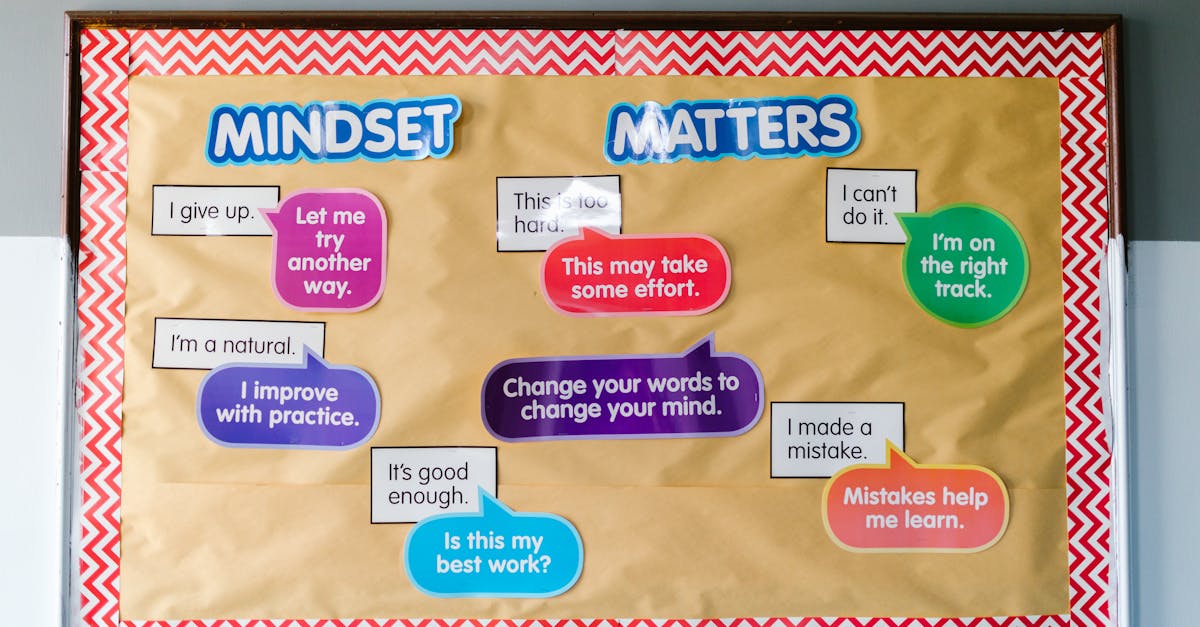
The next time you face a challenge, instead of thinking “I can’t do this,” try thinking, “This will be hard, but I can learn and improve with effort.” Shifting your focus to growth rather than perfection can transform how you approach obstacles.
2. Develop a Love for Learning: Stay Curious
A growth mindset isn’t just about resilience in the face of failure; it’s also about a love for learning. When you genuinely enjoy learning and improving, the fear of failure begins to fade. Instead of focusing on whether you’ll succeed or fail, focus on what you can learn from the process.
Consider someone who’s passionate about a hobby, like painting or photography. They’re not worried about whether their work is “good enough” right away; they’re more interested in what they can learn next, how they can improve their craft. This mindset is what keeps them motivated, even when they face setbacks.
If you want to develop a growth mindset, it’s essential to find ways to make learning fun and exciting. Take on new challenges, explore new topics, and don’t be afraid to make mistakes along the way. The more you enjoy the process of learning, the more your mindset will shift toward growth.
3. Reframe Failure: See It as a Step Forward
In a fixed mindset, failure feels like the end of the road. But in a growth mindset, failure is just another part of the journey. Instead of seeing failure as something to avoid, try seeing it as an opportunity to learn and improve.
Let’s look at Thomas Edison, for example. When asked about his many failures while inventing the lightbulb, he famously said, “I have not failed. I’ve just found 10,000 ways that won’t work.” That’s the kind of thinking that comes from a growth mindset. Edison didn’t see each failed experiment as a reason to quit; he saw each one as a step closer to success.
When you encounter failure, take a step back and ask yourself, “What can I learn from this? How can I do it differently next time?” By reframing failure in this way, you can turn setbacks into valuable lessons that propel you forward.
4. Change Your Self-Talk: Words Matter
Have you ever caught yourself saying things like, “I’m just not good at this,” or “I’ll never be able to do this”? These are classic examples of negative self-talk, which can reinforce a fixed mindset. On the other hand, the way you talk to yourself can help foster a growth mindset.
Instead of saying “I’m not good at this,” try saying, “I’m not good at this yet.” The addition of “yet” shifts the focus from your current abilities to the potential for growth. It reminds you that with effort and practice, you can improve.
Another example might be: “This is really hard” vs. “This is hard, but I can learn how to do it.” The language we use shapes our beliefs about our abilities, so be mindful of your self-talk. When you catch yourself thinking or saying something limiting, challenge it with a more empowering statement.
5. Surround Yourself with a Growth-Minded Environment
One of the easiest ways to adopt a growth mindset is by surrounding yourself with people who encourage it. If you’re constantly around people who fear failure or are quick to give up, it’s easy to adopt the same mindset. On the flip side, if you spend time with people who see challenges as opportunities, you’ll be more likely to adopt that same outlook.
Consider the power of a supportive community. For instance, a group of friends who share a passion for fitness might encourage one another to keep going, even when the workouts get tough. They don’t view the sweat and struggle as signs of weakness, but as signs of progress. Being around these kinds of people can inspire you to push past your own limits and develop a growth mindset.
6. Practice Patience: Change Takes Time
Building a growth mindset is not something that happens overnight. It takes time, patience, and consistent effort. When you’re learning something new or trying to break old habits, it’s important to be patient with yourself. Growth doesn’t happen in a straight line, and setbacks are inevitable.
Think about learning a new language. At first, everything feels like an uphill battle – you make mistakes, forget words, and feel like you’re not getting anywhere. But over time, as you stick with it and continue to practice, you start to see progress. The same is true when developing a growth mindset. The more you practice, the more natural it will become.
Conclusion: Keep Growing
Building a growth mindset is not an end goal; it’s a lifelong journey. It’s about continuously learning, evolving, and embracing challenges along the way. The more you embrace failure as a learning opportunity, practice positive self-talk, and surround yourself with a growth-minded environment, the easier it will become to shift your mindset.
Remember: growth isn’t just about achieving success. It’s about the process of learning, improving, and becoming the best version of yourself. So, the next time you face a challenge or experience failure, don’t shy away. Lean in, embrace the journey, and keep growing.